Role
UX/UI designer
Target
B2B
Overview
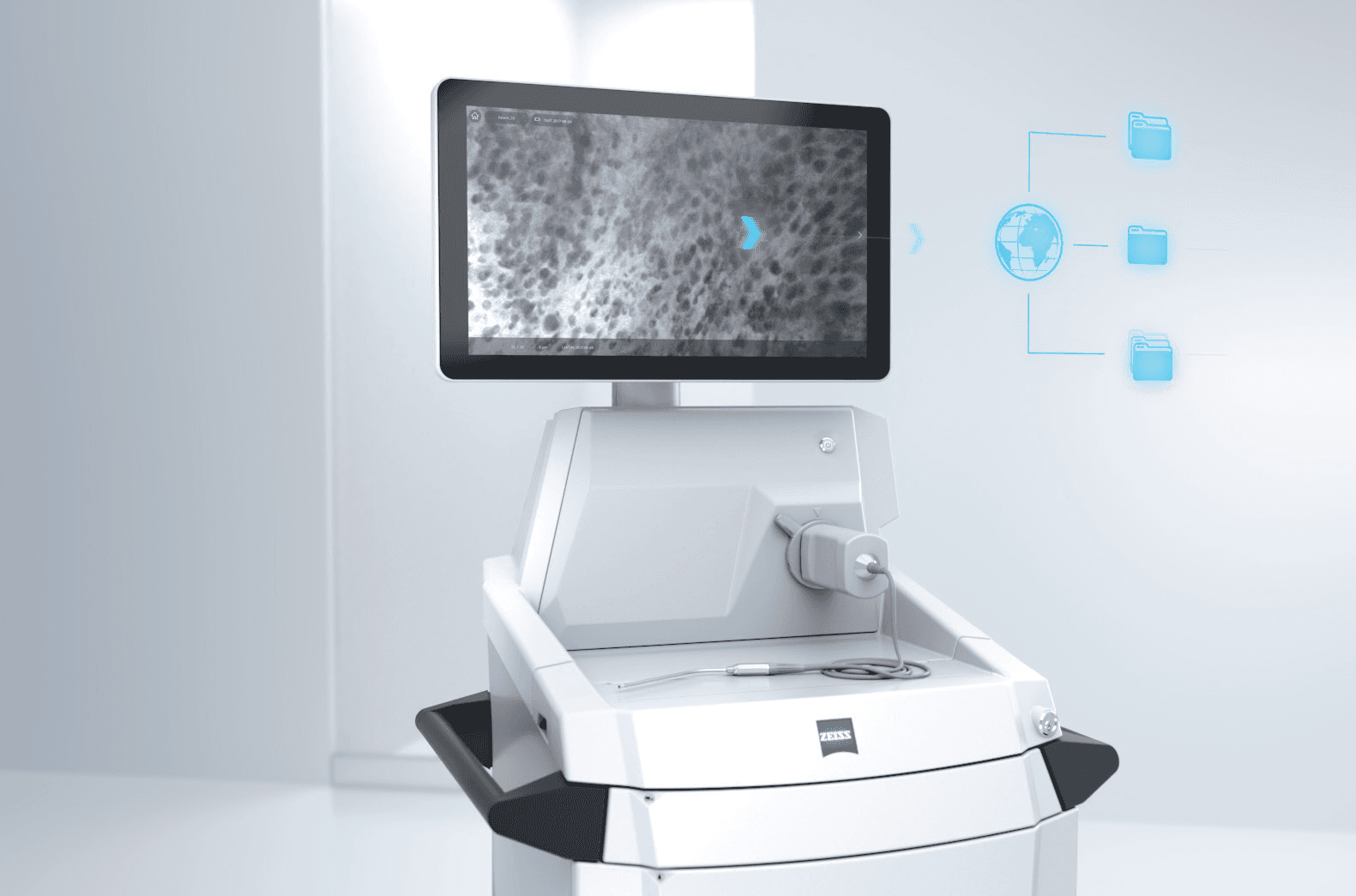
The CONVIVO Digital Biopsy Tool is an innovative medical device that enables neurosurgeons to perform digital biopsies without tissue extraction, while collaborating remotely with pathologists in real-time. As the UX/UI designer on this transformative project, I worked to create a digital experiences that connect surgeons and pathologists during critical surgical procedures.
The Challenge
De-Risking a Digital In-Vivo Pathology Platform Through Real-World UX Validation.
Neurosurgeons needed a way to make quick, confident diagnostic decisions during brain tumor surgeries. The existing process was time-consuming and required physical tissue samples to be transported for analysis. Our goal was to create a digital platform that would enable real-time collaboration between surgeons and pathologists while maintaining the highest standards of medical accuracy.
My Role & Responsibilities
As the UX/UI designer, I:
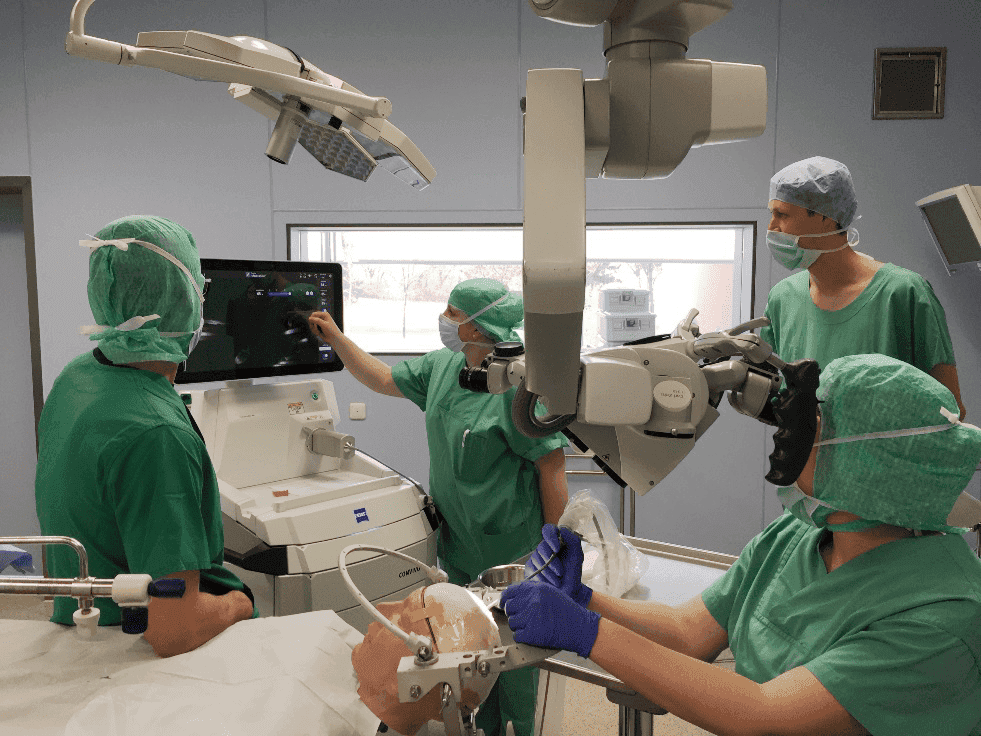
Led user research sessions at Hospital Rechts der Isar in Munich
making the right decisions visible early, before they became expensive
Created and tested sacrificial concepts with users
Designed low and high-fidelity prototypes
Facilitated design feedback sessions with stakeholders
Mapped as it is user journey and created the ideal user journey
Translated concepts into intuitive interfaces
Research Process
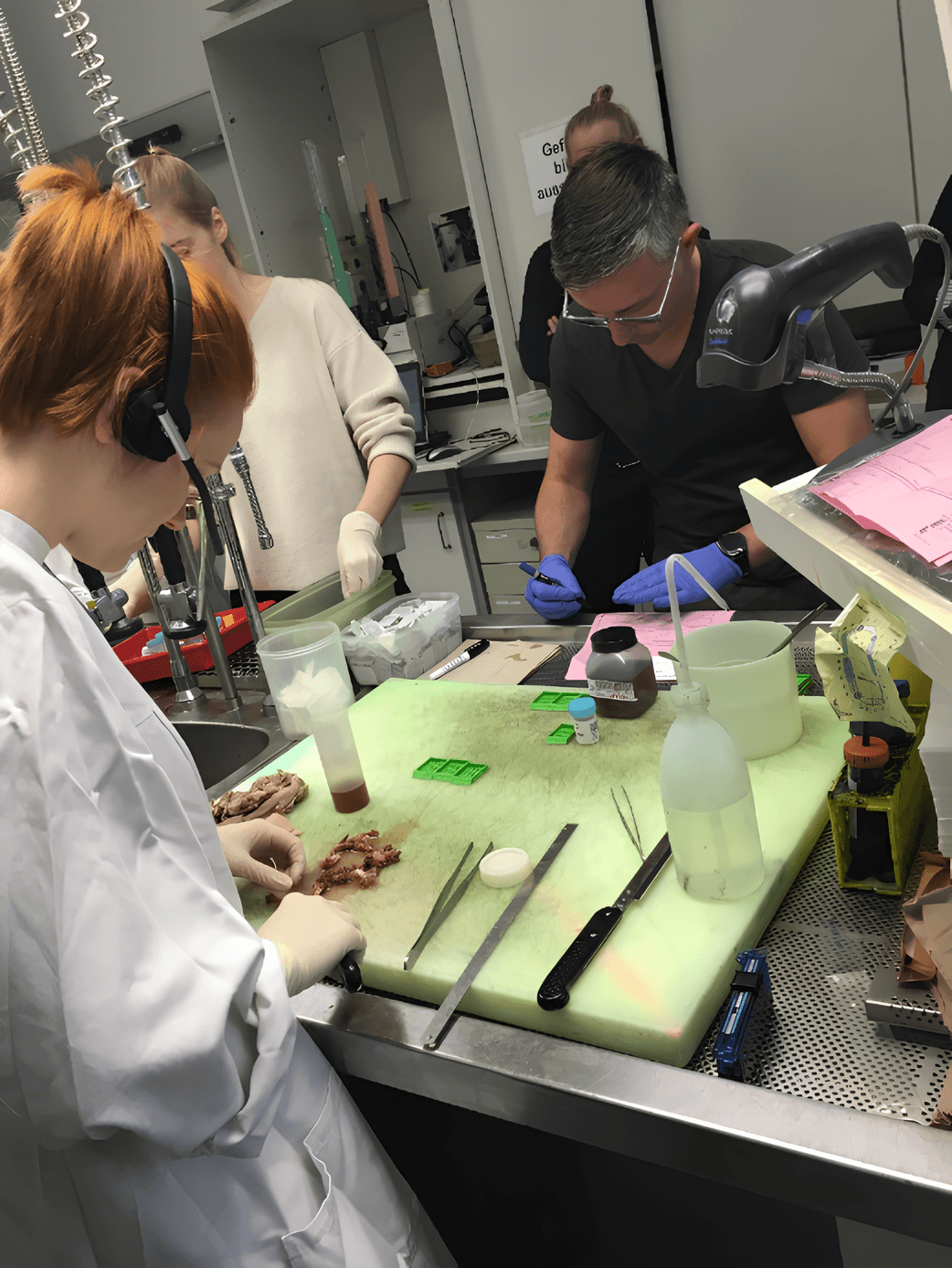
I conducted user research to understand the needs of both neurosurgeons and pathologists. At Hospital Rechts der Isar, I observed the current workflow , which revealed several key insights:
1. Pathologists were using manual workarounds like sending USB drives through pneumatic tube systems
2. Screen sharing technology was being used for remote diagnostics
3. There was a strong need for improved diagnostic accuracy through remote collaboration
The research phase included:
- Contextual inquiries in operating rooms
- Interviews with 25 medical professionals
- Workflow mapping sessions
- Usability testing of early concepts
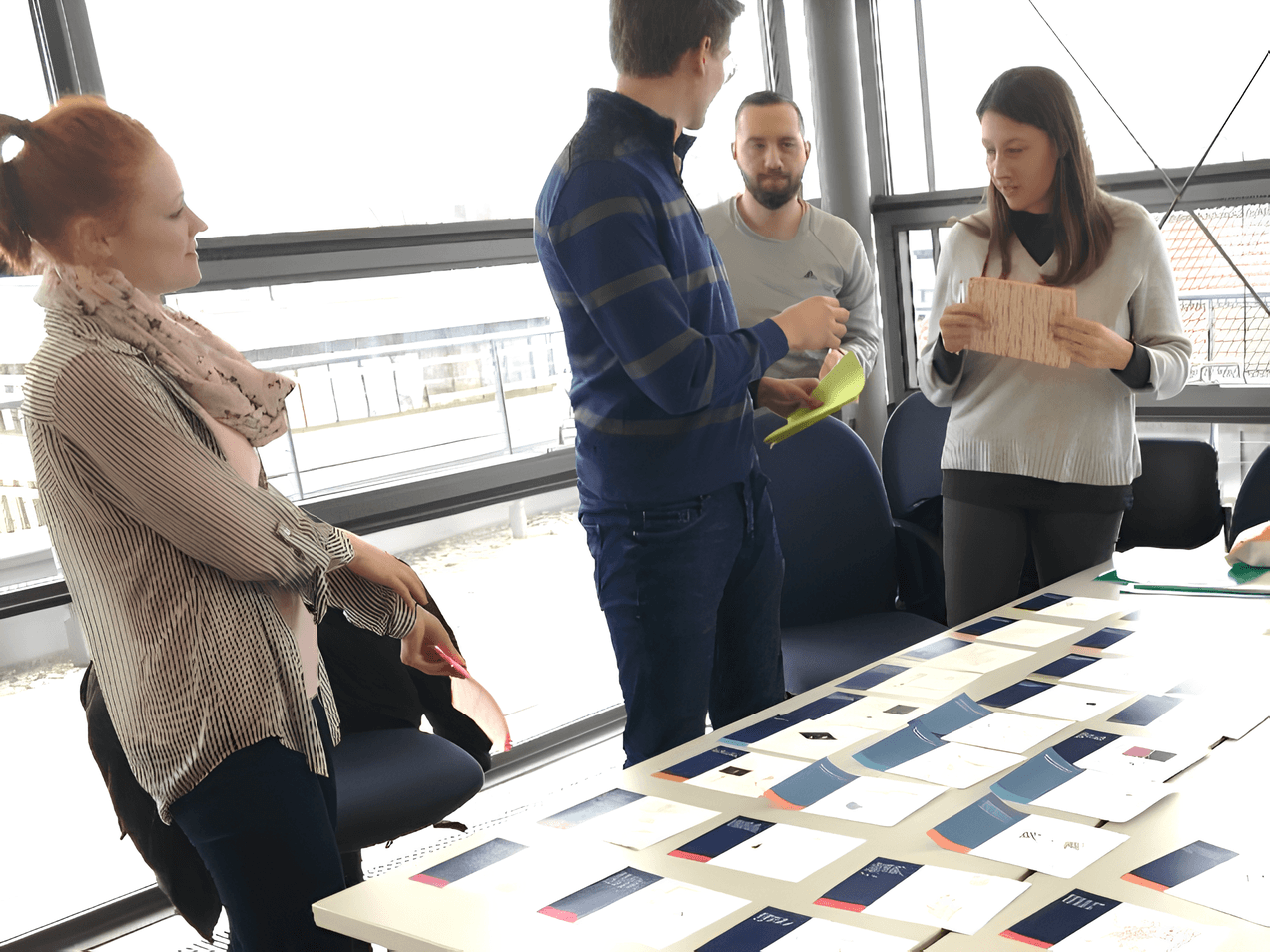
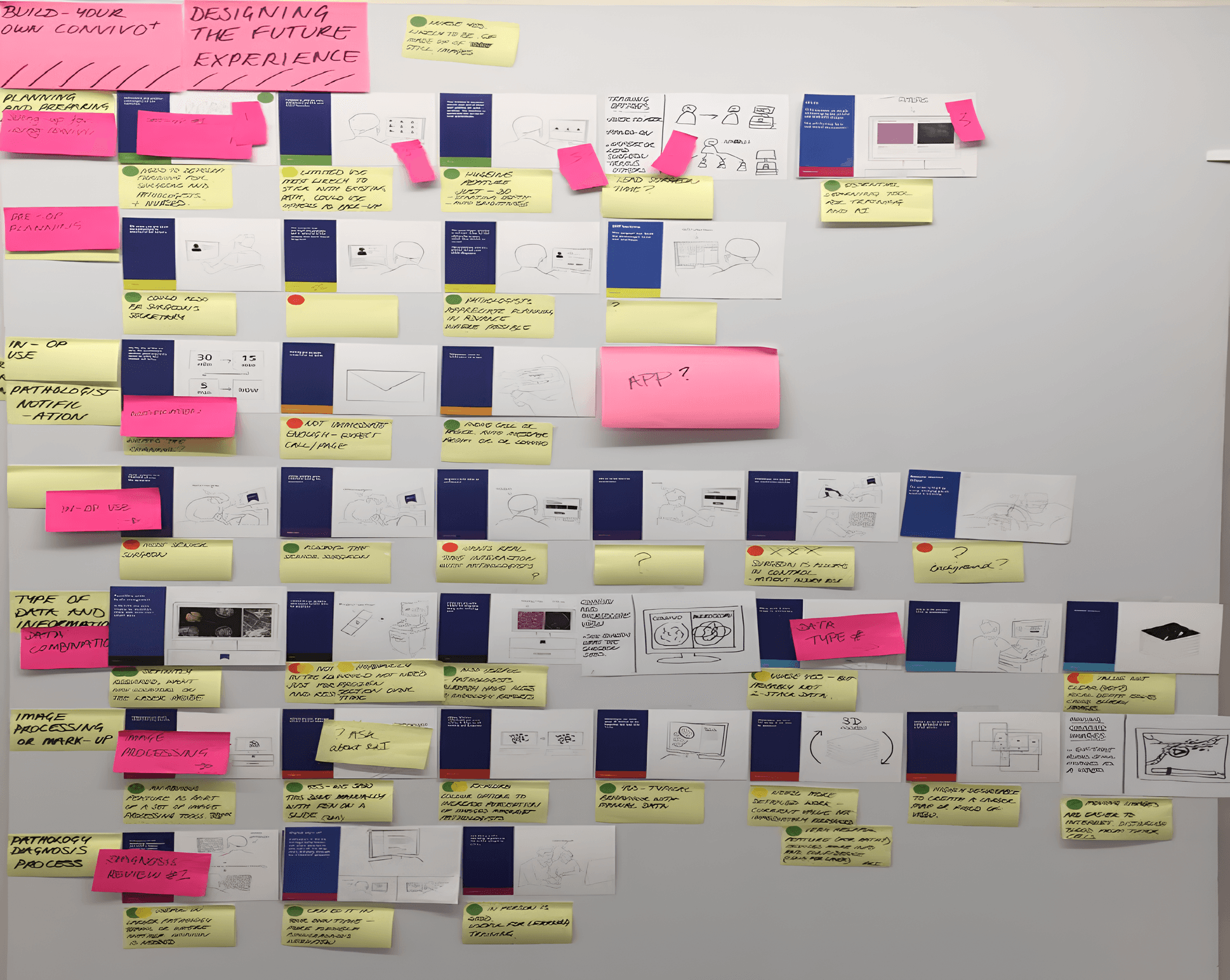
Sacrificial Concepts
The problem space was highly ambiguous, clinically sensitive, and politically complex. Jumping too early into polished designs would have created false confidence and locked the team into premature assumptions.
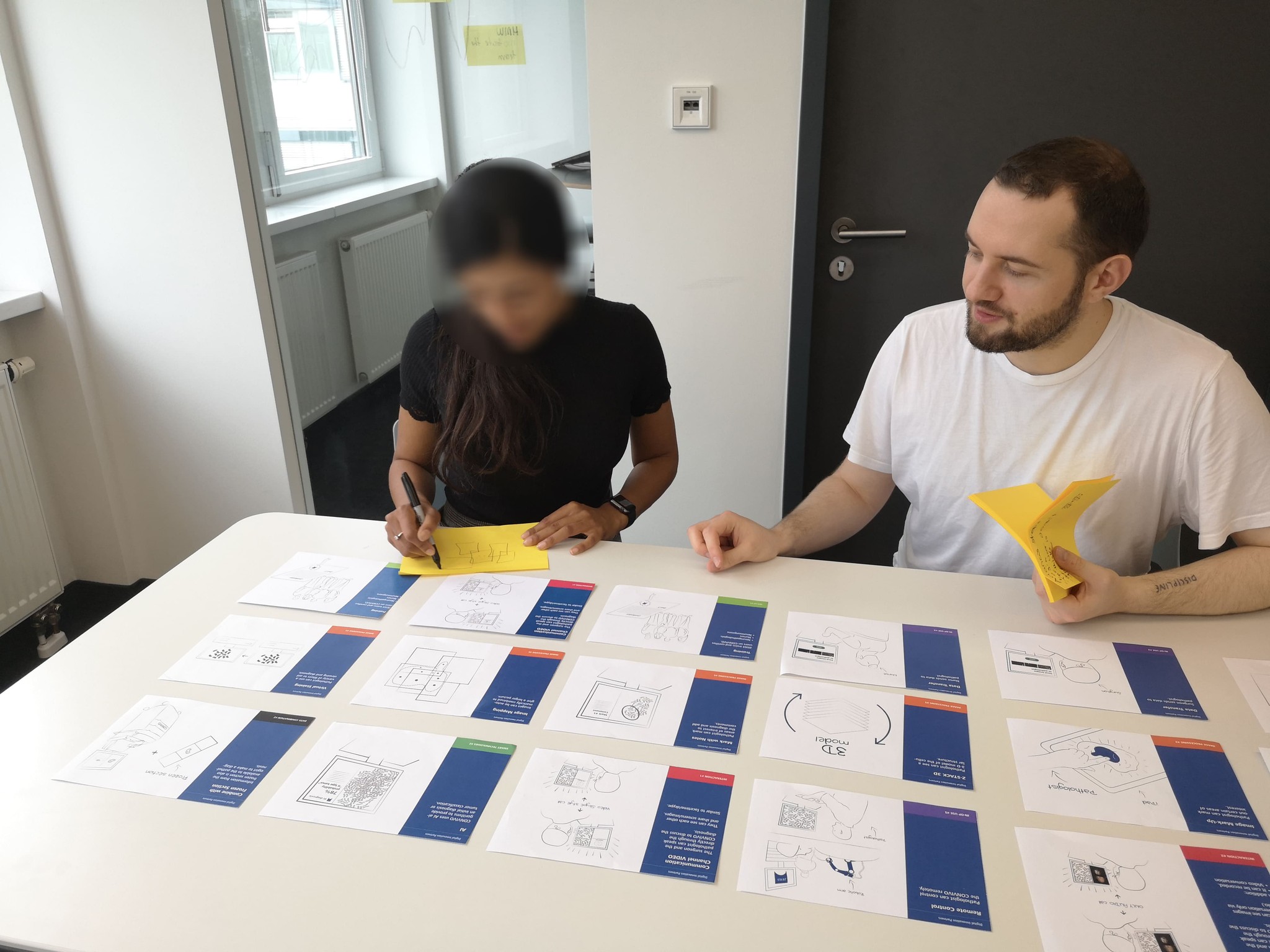
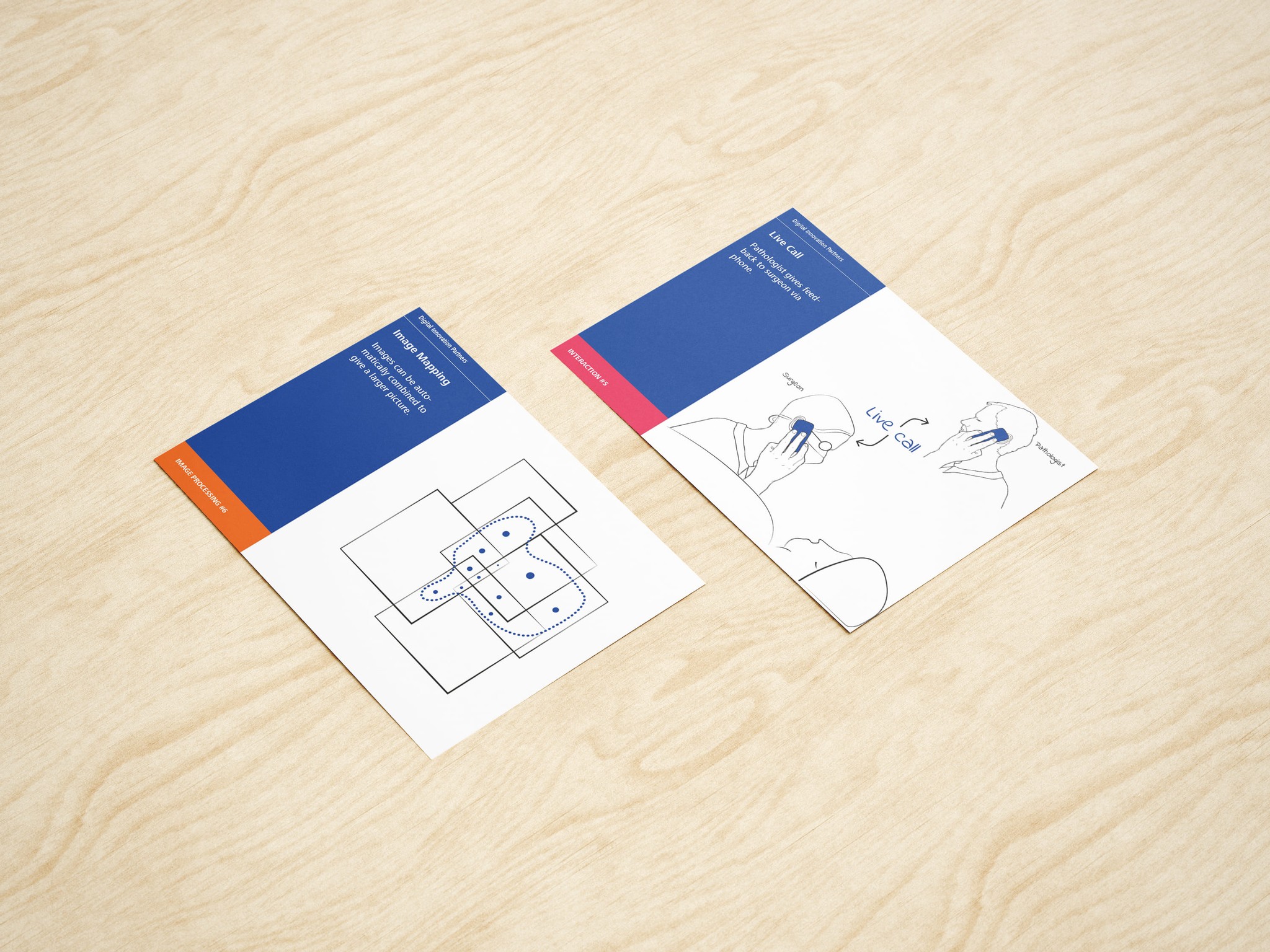
Instead, I deliberately used sacrificial concepts, fast and intentionally imperfect prototypes designed to provoke discussion rather than validate solutions.
These concepts were used directly with surgeons, pathologists, and nurses. Because they were clearly unfinished and disposable, users felt free to reject them, challenge workflows, and articulate what actually mattered to them.
This approach helped surface implicit expectations that would not have emerged through interviews alone
Prototyping and Testing
The sacrificial concepts helped me and the team creating the ideal user journey, which then I could use to design alone high-fidelity prototypes using Figma and Framer. I conducted multiple rounds of task-based scenarios for usability testing. The prototypes were tested with:
- 11 neurosurgeons
- 14 pathologists
- 5 operating room nurses
The final design included three main components:
1. Surgical Team Interface
- Real-time image capture and sharing
- Case management dashboard
- Integration with existing hospital systems
2. Pathologist Interface
- High-resolution image viewing
- Digital annotation tools
- Synchronous communication features
3. Mobile Companion App (only on a concept level)
- Push notifications for urgent cases
- Quick case review capabilities
- Secure communication channel
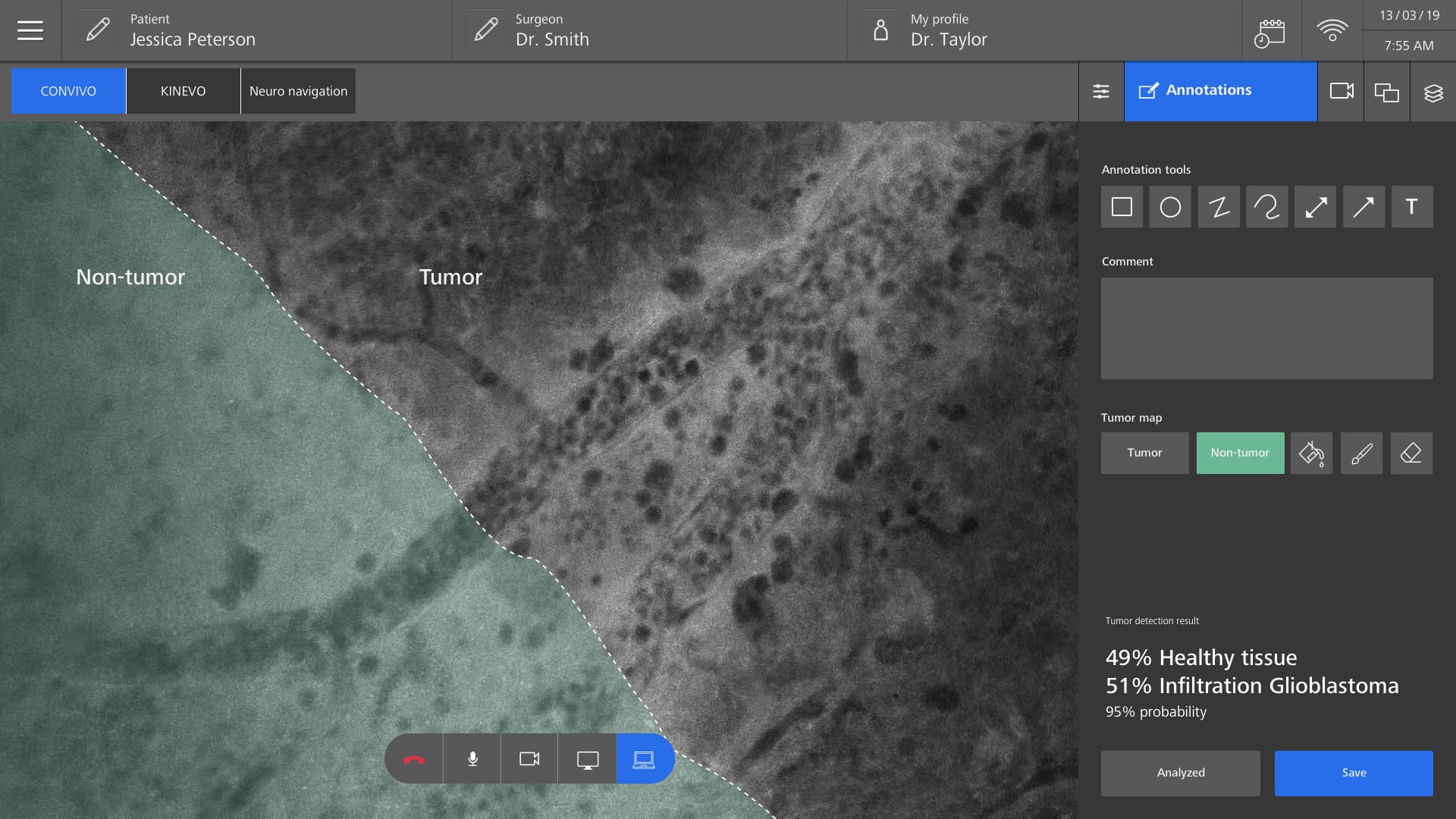
Concepts translated into UI screen for testing
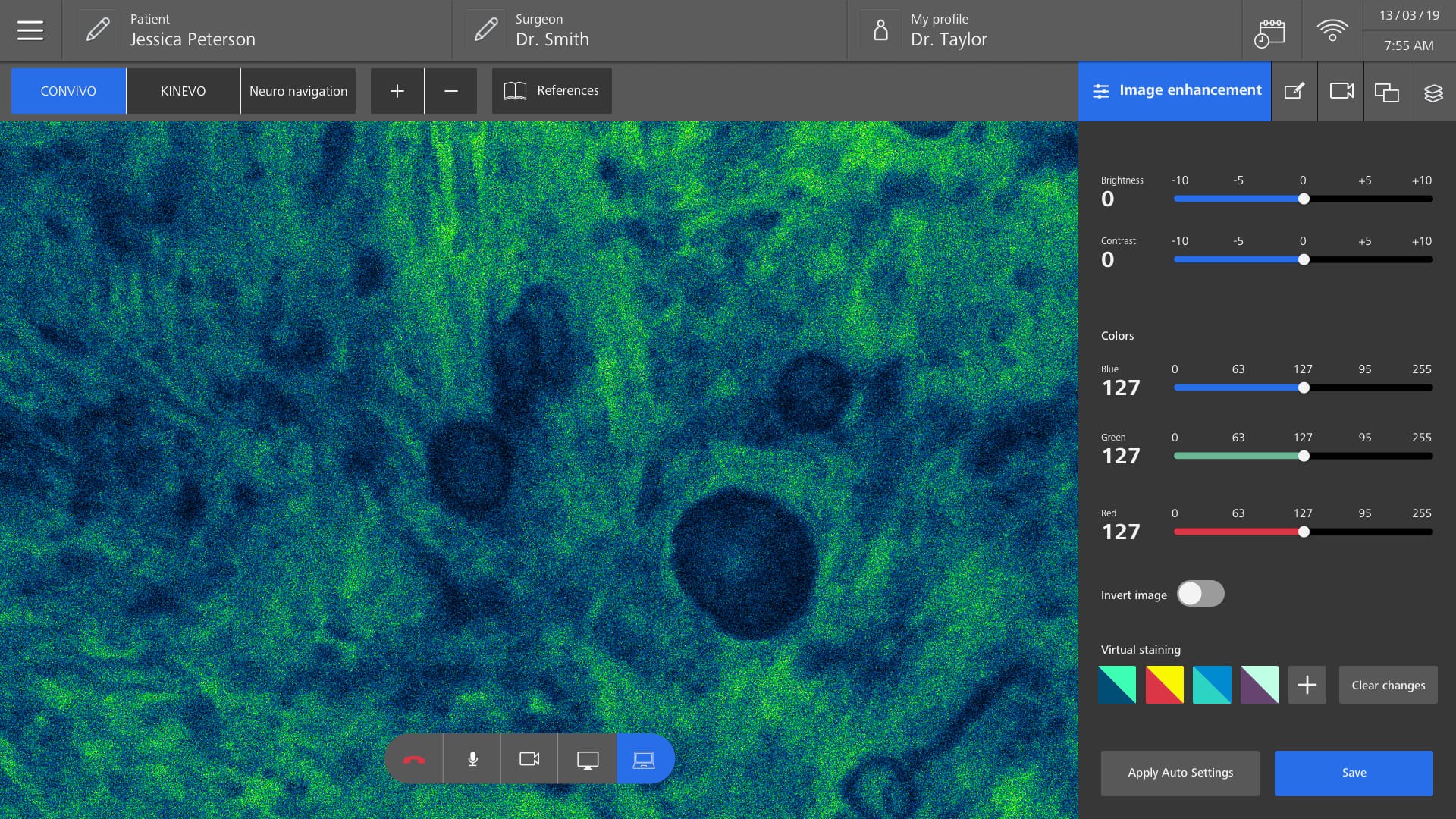
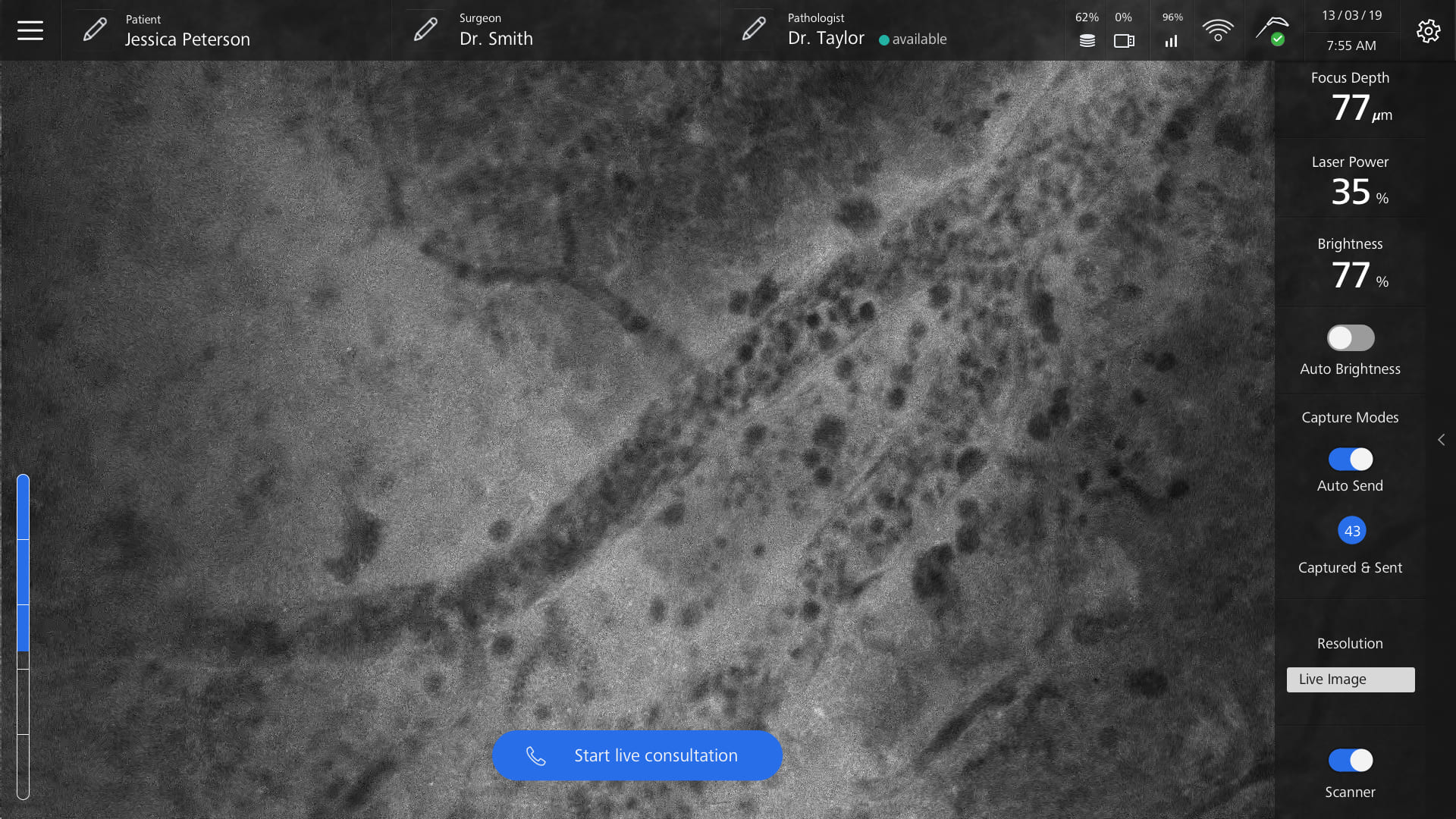
From Insights to a Clinically Credible Solution
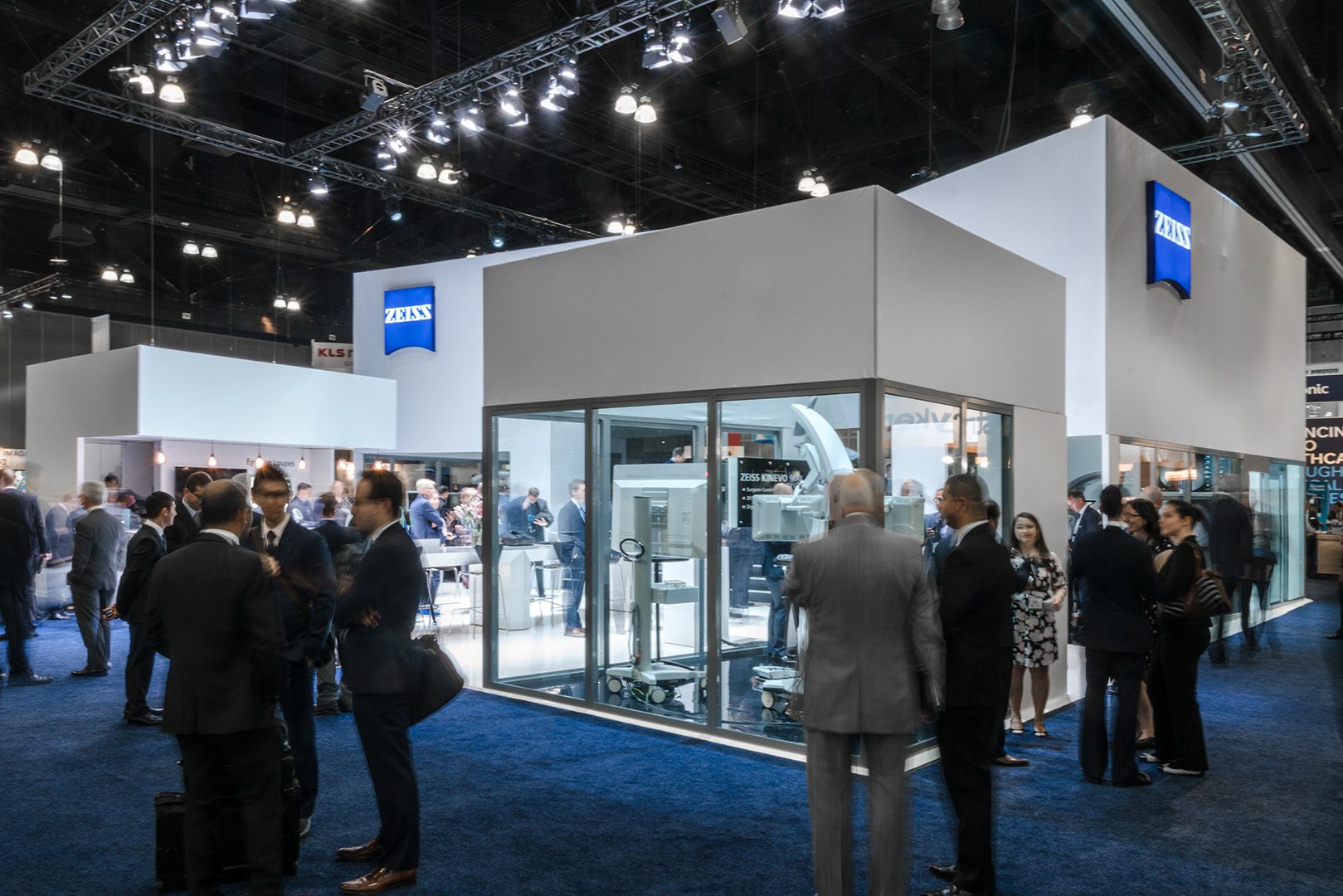
For the AANS (American Association of Neurological Surgeons) fair, the prototypes were used to present and simulate the future evolution of Convivo, generating excitement within the community and gathering further valuable feedback from visitors.
User Impact
Reduced cognitive load during critical surgical moments
Clearer collaboration between surgeons and pathologists
Higher confidence in intraoperative decisions
Business Impact
De-risked digital platform investment
Clarified viable connectivity and service models
Created foundations for data capture and future AI use cases